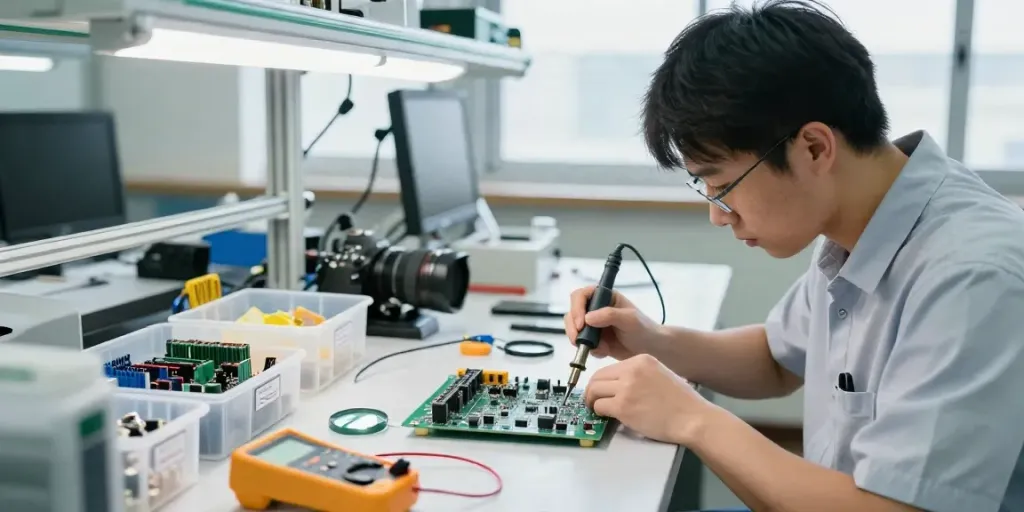
Understanding Low Volume PCB Assembly
In today’s fast-paced technological landscape, the demand for printed circuit boards (PCBs) is rising, driven by innovations in electronics and the need for quicker product development cycles. Low volume PCB assembly (LVPA) has emerged as a crucial service that accelerates prototyping and allows small to medium-sized businesses to validate their designs without the burden of large-scale production. By focusing on smaller batch productions, companies can adapt to market changes swiftly while minimizing waste. This article dives deep into the nuances of low volume PCB assembly, exploring its benefits, best practices, challenges, and emerging trends that are shaping the industry.
When exploring options, low volume PCB assembly provides comprehensive insights into how manufacturers can support the unique needs of startups and established enterprises alike.
What Is Low Volume PCB Assembly?
Low volume PCB assembly refers to the process of manufacturing and assembling printed circuit boards in limited quantities, typically ranging from a few units to a few thousand. This approach contrasts with high volume manufacturing, which focuses on mass production of PCB assemblies. Low volume assembly is particularly beneficial for prototyping, pilot runs, or specialized projects where flexibility and speed are paramount.
Key components of low volume PCB assembly include:
- Small Batch Production: Manufacturing orders are usually less than 1,000 units, making it cost-effective for testing and refinement.
- Rapid Turnaround: Quick production schedules allow companies to iterate designs faster and bring products to market sooner.
- Customization: Enabling tailored solutions for specific client requirements or niche applications.
Key Benefits of Low Volume Production
Choosing low volume PCB assembly offers numerous advantages for businesses looking to innovate. Here are some of the key benefits:
- Cost Efficiency: Companies can save on costs associated with large-scale manufacturing, such as materials and labor. Small orders reduce the risk of surplus inventory.
- Quick Prototyping: Rapid iterations allow designers to test multiple configurations and functionalities quickly, resulting in efficient design validation.
- Flexibility: Adaptability in production means that changes can be made swiftly, whether due to design adjustments or market demands.
- Quality Control: Smaller batch sizes facilitate rigorous quality checks at each stage, ensuring high standards are consistently met.
Differentiating Between Low and High Volume Assembly
While low volume assembly focuses on small quantities and rapid turnaround, high volume assembly leans towards the mass production of PCBs. Understanding the differences can help businesses choose the right approach based on their project requirements:
- Production Scale: Low volume focuses on limited quantities, while high volume aims for thousands to millions of units.
- Cost Structure: High volume benefits from economies of scale, but low volume assembly is cost-effective for startups and niche markets.
- Time-to-Market: Low volume assembly significantly reduces lead times, which is a critical factor for emerging technologies.
Common Applications and Use Cases
The applications of low volume PCB assembly span various industries, reflecting its versatility and importance in modern electronics. Below are some common use cases:
Prototyping and Product Development
Low volume assembly serves as a vital step in the prototyping phase, enabling engineers to test, validate, and refine designs before committing to mass production. This phase often involves:
- Design Iteration: Rapid iteration cycles allow feedback to be integrated quickly, enhancing product quality.
- Market Testing: Small batches can be used for consumer testing to gauge interest and performance in real-world contexts.
Custom Electronics and Niche Markets
Various industries, including automotive, aerospace, and consumer electronics, require specialized and custom-built PCB solutions. Low volume assembly is uniquely suited for:
- Unique Applications: Custom electronics often need specific functionalities that are not suitable for mass production.
- Niche Products: Small businesses focusing on specialized markets can leverage low volume assembly to meet specific demands.
Medical Devices and Specialty Projects
The medical industry requires precision and adaptability, making low volume PCB assembly an essential service for:
- Prototyping Medical Devices: Developing and testing new medical equipment in small batches to ensure compliance and safety.
- Specialized Equipment: Custom PCBs for devices that cater to specific medical needs or conditions.
Best Practices in Low Volume PCB Assembly
Implementing best practices in low volume PCB assembly can significantly enhance efficiency and product quality. Here are several recommendations:
Choosing the Right Components and Materials
Selecting appropriate components and materials is fundamental to the success of low volume PCB assembly. Key considerations include:
- Component Sourcing: Opt for reliable suppliers to ensure component availability and quality.
- Material Selection: Choose materials that align with the project requirements, balancing performance and cost.
Workflow Optimization Techniques
Efficient workflows are vital in low volume assembly. Techniques include:
- Streamlined Processes: Implementing lean manufacturing principles can reduce waste and improve efficiency.
- Use of Automation: Incorporating automated machines for repetitive tasks can enhance accuracy and speed.
Quality Control Measures for Small Batches
Quality control is critical in maintaining standards for low volume PCB assemblies. Measures can include:
- Regular Inspections: Frequent checks throughout the assembly process can catch issues early.
- Testing Protocols: Implementing rigorous testing protocols can ensure that the end product meets specifications.
Challenges in Low Volume PCB Assembly
While low volume PCB assembly offers numerous benefits, businesses must also navigate a variety of challenges:
Cost Management and Pricing Strategies
Managing costs effectively can be challenging in low volume assembly due to:
- Higher Per-Unit Costs: Small production runs can result in higher per-unit pricing compared to large volumes.
- Budget Constraints: Balancing quality and cost within tight budgets can be difficult for startups and small businesses.
Supply Chain Issues and Component Sourcing
Securing components in small quantities can lead to supply chain challenges, including:
- Supplier Reliability: Smaller orders may not be prioritized by suppliers, leading to delays.
- Price Fluctuations: Costs can vary based on supply chain dynamics, impacting overall project budget.
Maintaining Quality with Limited Runs
Ensuring consistent quality in low volume production requires attention to detail. Challenges include:
- Quality Assurance: Smaller runs may lead to less rigorous quality control processes, increasing risks.
- Skill Levels: Ensuring that assembly personnel are skilled and trained to handle intricate designs can be difficult.
Future Trends in Low Volume PCB Assembly
The landscape of low volume PCB assembly is continuously evolving. Businesses should stay informed about the following trends:
Emerging Technologies and Innovations
Innovations such as additive manufacturing and advanced software tools are enhancing the capabilities of low volume PCB assembly. Future developments may include:
- 3D Printing: This technology may allow for more rapid prototyping and reduced lead times.
- IoT Integration: The growing demand for connected devices will drive innovation in PCB assembly methodologies.
Market Growth Projections for 2026 and Beyond
The market for low volume PCB assembly is expected to grow significantly, influenced by various factors:
- Rising Demand: Increased need for customized electronics across industries will boost market growth.
- Technological Advancements: New manufacturing technologies will enhance efficiency and capabilities.
Sustainability Practices in PCB Manufacturing
With growing awareness of environmental issues, sustainability will play a pivotal role in the future of PCB manufacturing. Companies are likely to focus on:
- Eco-Friendly Materials: Utilizing sustainable materials and practices to reduce environmental impact.
- Waste Reduction: Implementing processes that minimize waste throughout the assembly process.
What is considered low volume manufacturing?
Low volume manufacturing generally refers to the production of small quantities of goods, typically under 1,000 units. This is in contrast to high volume production, which involves the manufacturing of thousands or millions of items at once.
Can low volume PCB assembly be cost-effective?
Yes, low volume PCB assembly can be cost-effective for companies looking to develop prototypes or specialized products. While the per-unit cost may be higher than high volume runs, the flexibility and reduced risk often outweigh these costs.
What are the typical lead times for low volume assembly?
Lead times for low volume PCB assembly can vary based on complexity and component availability but typically range from a few days to a few weeks. Rapid prototyping options often allow for quicker turnaround.
How do I choose a low volume PCB assembly service?
When selecting a low volume PCB assembly service, consider factors such as quality certifications, experience in your industry, customer reviews, and their ability to meet your specific needs.
What industry certifications should a PCB assembler have?
Key certifications to look for include ISO 9001 for quality management systems and IPC-A-610 for electronics assembly quality, ensuring high standards are upheld during production.