
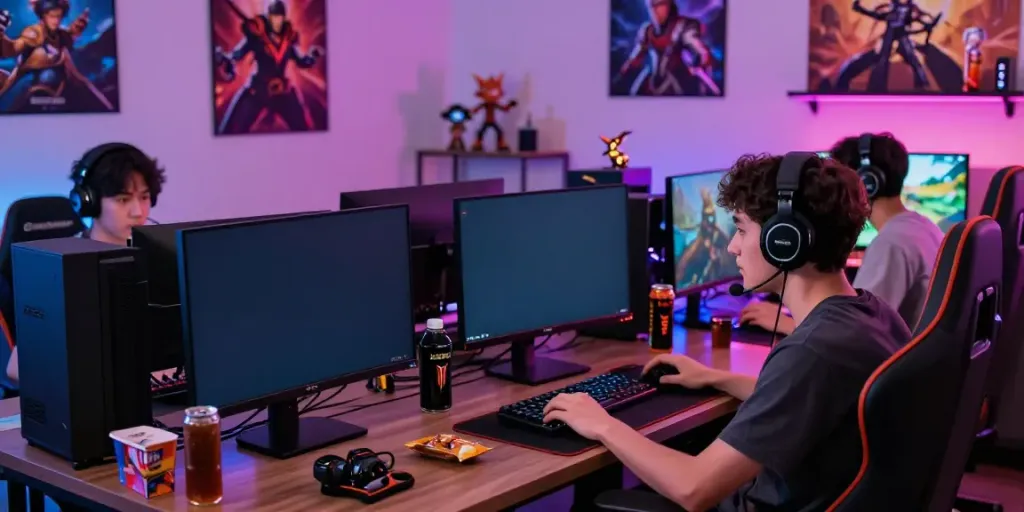
The Evolution of Online Gaming Platforms
The online gaming industry has undergone a remarkable transformation over the past two decades, evolving from simple flash games to expansive, immersive environments that cater to millions of players worldwide. This growth has not only been propelled by technological advancements but also by innovations in gameplay design, community engagement, and monetization strategies. In this article, we will explore the journey of online gaming, particularly focusing on platforms like luxury138, which exemplify the cutting-edge of this dynamic sector.
History and Growth of Online Gaming
Online gaming began in the 1990s, with pioneers like MUD (Multi-User Dungeon) introducing text-based adventures that captivated early adopters. As internet access expanded, so did the complexity of games. The late 1990s and early 2000s saw the rise of graphical MMOs (Massively Multiplayer Online games) such as "EverQuest" and "World of Warcraft," which offered vast virtual worlds populated by thousands of players. This pivotal moment marked a significant shift toward community-oriented gameplay, creating social hubs for interaction.
By the late 2000s, the introduction of social gaming platforms such as Facebook enabled developers to reach wider audiences. Titles like "FarmVille" attracted millions, demonstrating the potential of casual gaming and microtransactions. Today, platforms have embraced mobile technology, allowing players to engage with their favorite games on the go, leading to a significant increase in user engagement and revenue generation.
Current Trends in Platform Features
Today's online gaming platforms are characterized by several key features that enhance user experiences. Among these are advanced graphics and immersive environments, often powered by cutting-edge technologies like Virtual Reality (VR) and Augmented Reality (AR). Games are increasingly incorporating social features that foster community through multiplayer modes, leaderboards, and social networking elements that allow for seamless interaction and competition among players.
Moreover, adaptive gameplay and personalized experiences are becoming more prevalent. For example, many platforms utilize AI-driven analytics to tailor content to player preferences, ensuring a unique gaming experience that keeps users engaged. These features position platforms like luxury138 at the forefront of the online gaming evolution, transforming how players connect and compete.
Future Predictions for 2026 and Beyond
Looking ahead, the online gaming industry is poised for continued growth and innovation. By 2026, we can expect further integration of technologies such as blockchain, which could revolutionize how in-game economies function. Decentralized gaming assets may allow players to own and trade their virtual goods securely, providing new avenues for monetization and community building.
Additionally, the rise of AI is likely to influence game design, with more sophisticated NPC (non-player character) interactions and adaptive difficulty levels tailored to individual player skills. This evolution promises to create an even more engaging and personalized experience, attracting an even broader audience of gamers.
Understanding the Luxury138 User Experience
User experience (UX) is a critical component of online gaming platforms. For gamers, the interface should be intuitive, allowing easy navigation and access to features. Luxury138, for example, is designed with user-centric principles, ensuring that players can quickly find and engage with their favorite games, community features, and support options.
Importance of User Interface in Gaming
A seamless user interface enhances gameplay by reducing distractions and improving accessibility. Critical functions, like game selection, account management, and support services, should be easily visible and reachable. As gaming becomes more competitive, platforms focusing on UX will likely retain players more effectively, as users gravitate toward experiences that minimize frustration.
How Player Feedback Shapes Game Development
Player feedback is invaluable in shaping the development of games and gaming platforms. By actively soliciting player input through surveys, forums, and direct communication, developers can gain insights into user preferences, desired features, and pain points. This collaborative approach not only helps refine existing titles but also assists in the creation of new games tailored to the audience's desires, fostering loyalty and community engagement.
Building a Community Around Gaming Platforms
A strong community is essential for the longevity of gaming platforms. Engaging players through events, tournaments, and social media interactions creates a sense of belonging and loyalty. Platforms like luxury138 have recognized this need, often facilitating forums and chat features that allow players to connect and share their experiences. Building this community around shared interests not only enhances player satisfaction but also drives game popularity and retention.
Winning Strategies for Online Gamers
As the competitive landscape of online gaming continues to evolve, players are always on the lookout for strategies to enhance their performance and enjoyment. Understanding effective techniques can make a significant difference in gameplay quality and overall satisfaction.
Top Techniques for Gameplay Improvement
To excel in online gaming, players need to adopt effective strategies. This includes mastering the mechanics of games through practice, studying gameplay videos from experts, and engaging with community tutorials. Regularly analyzing personal gameplay can also highlight areas for improvement, helping players refine their skills and techniques.
Time Management for Competitive Gaming
With the rise of competitive gaming, managing time effectively is essential. Players should prioritize learning over just playing, breaking down practice sessions into manageable chunks and setting specific goals. Engaging in focused practice rather than endless gaming sessions can lead to accelerated learning and improvement.
Leveraging Social Media for Gaming Success
Players can boost their gaming presence and success through social media. Platforms such as Twitch, YouTube, and Twitter provide opportunities to showcase skills, gain followers, and learn from others in the community. By sharing gameplay highlights, tutorials, or engaging in discussions, gamers can build their reputation and tap into a larger audience.
Monetization in the Online Gaming Industry
The monetization of online gaming has evolved dramatically, reflecting changes in consumer behavior and technology. Various revenue models are now prevalent, catering to different player preferences and enhancing the sustainability of gaming platforms.
Revenue Models for Gaming Platforms
Today, the most common revenue models in online gaming include freemium models, subscription services, and in-game purchases. Freemium models allow players to access a game for free while offering additional features, content, or benefits for a price. Subscription services provide players with exclusive access to a library of games for a recurring fee, appealing to avid gamers seeking extensive content. In-game purchases, particularly cosmetic enhancements or power-ups, also contribute significantly to revenue, often generating substantial income for developers while maintaining player engagement.
Impact of In-Game Purchases on Player Experience
In-game purchases are a double-edged sword; while they can enrich the gaming experience by offering players customization options and unique content, they can also lead to frustration if not handled correctly. Developers must find a balance that keeps the game enjoyable for free-to-play users while providing value to paying customers. Transparency in pricing and ensuring that purchases do not create an unfair advantage are crucial for maintaining community support.
Case Studies of Successful Monetization Strategies
Analyzing successful monetization strategies can offer insights into best practices. For instance, "Fortnite" is notable for its free-to-play model combined with frequent updates, seasonal events, and exclusive in-game purchases that entice players to continue investing. Similarly, "League of Legends" excels in providing players with free access while offering cosmetic items that enhance the game's visual appeal without affecting gameplay balance.
Challenges and Opportunities in Luxury138 Gaming
While the online gaming industry offers exciting opportunities, it also presents several challenges that need to be addressed to ensure sustained growth and player satisfaction.
Addressing Common Obstacles for Gamers
Common obstacles gamers face include technical issues, toxic behavior in communities, and burnout from excessive gaming. Platforms need to proactively address these challenges by ensuring robust technical support, creating moderation systems to foster positive interactions, and promoting healthy gaming habits. Regular updates and player education can create a more welcoming and supportive environment for all users.
Health and Well-being in Competitive Gaming
With the rise of competitive gaming, concerns over physical and mental health have become more prominent. Balancing gaming with physical activity, ensuring adequate breaks, and promoting mental wellness are essential for maintaining the overall well-being of players. Platforms like luxury138 can lead the charge by implementing initiatives that encourage healthy gaming practices among their user base.
Innovative Solutions for Player Retention
To retain players, gaming platforms must continuously innovate and adapt to player needs and market trends. This could involve regular content updates, community events, or loyalty programs that reward active users. By keeping the gaming experience fresh and engaging, platforms can effectively reduce churn and foster long-term loyalty among players.
What are the key features of luxury138?
Luxury138 offers a range of features aimed at enhancing the user experience, including a diverse selection of games, a user-friendly interface, and robust community engagement tools. These features work together to create a welcoming environment for both casual and competitive gamers alike.
How can I improve my gaming skills?
Improving gaming skills requires dedication and practice. Players should focus on understanding game mechanics, analyzing gameplay, and seeking out community resources such as tutorials and forums. Regular practice, coupled with feedback from experienced gamers, can significantly enhance gameplay abilities.
What trends should we expect in online gaming by 2026?
By 2026, the online gaming landscape will likely be shaped by advancements in AI, AR, and blockchain technology. These innovations promise to create more immersive and personalized gaming experiences, as well as new economic models that may redefine ownership and trading within games.
What measures can ensure a positive gaming community?
To foster a positive gaming community, platforms should prioritize user safety, implement effective moderation systems, and promote inclusivity through targeted initiatives. Encouraging respectful communication and offering channels for dispute resolution can help maintain a welcoming environment.
How do monetization strategies affect gameplay?
Monetization strategies can significantly influence gameplay dynamics, affecting player satisfaction and retention. Developers must strike a balance between generating revenue and providing a fair and enjoyable experience for all players. Transparency and ethical practices in monetization contribute to a healthier gaming community.