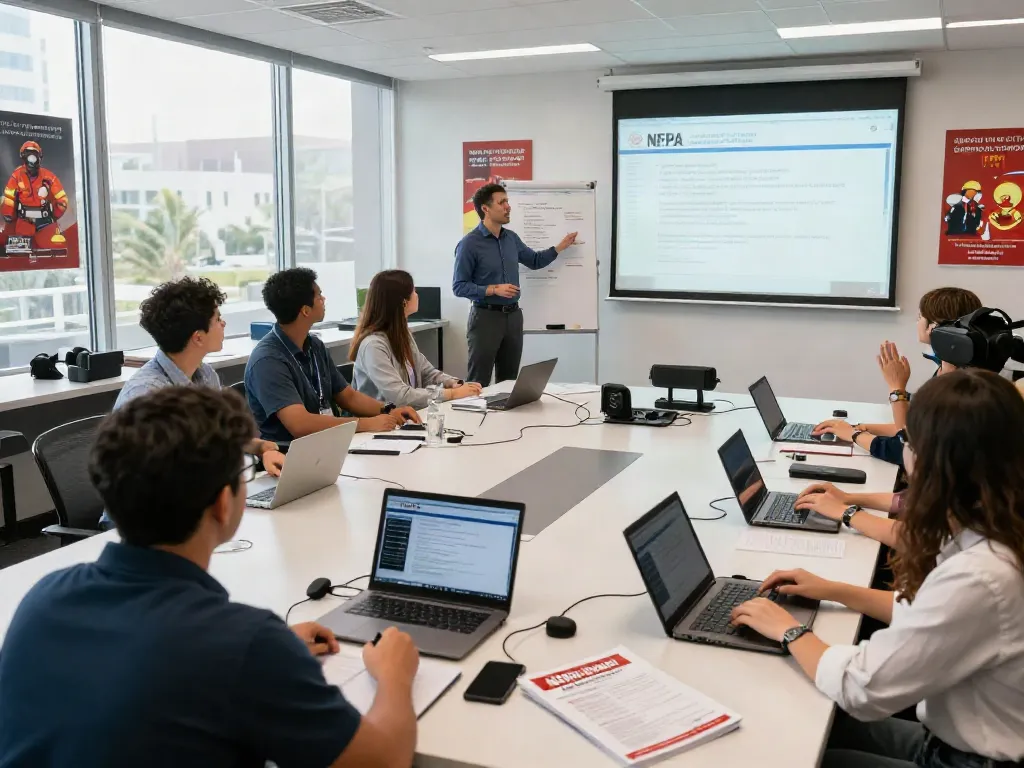
Understanding NFPA Certification Training
In today's fast-paced and safety-conscious world, having a solid foundation in fire safety and emergency response is crucial for businesses across all sectors. The National Fire Protection Association (NFPA) Certification Training is designed to equip professionals with the knowledge and skills necessary to enhance workplace safety and compliance with regulatory standards. As an authorized training provider, Burraq Business Consulting offers in-depth NFPA training programs tailored to meet the specific needs of organizations. When exploring options, NFPA Certification Training provides comprehensive insights into fire safety protocols and emergency response strategies.
What is NFPA Certification Training?
The NFPA Certification Training encompasses a series of educational programs designed by the NFPA to educate professionals in various aspects of fire safety. This training includes subjects such as fire prevention, hazard management, and compliance with safety regulations. Participants can earn certifications recognized globally, enhancing their credibility and professional standing in their respective industries.
Importance of NFPA Certification in Workplace Safety
Workplace safety should always be a paramount concern for employers, and NFPA certification plays a critical role in fostering a culture of safety. Organizations that invest in the NFPA certification training for their employees not only affirm their commitment to safety but also reduce the risk of accidents and related costs. Moreover, certified employees are better prepared to respond to emergencies, ensuring that safety protocols are effectively implemented.
Common Types of NFPA Training Courses
Navigating the various training options available from NFPA can be overwhelming. However, the following courses are some of the most sought after:
- Fire Protection Systems: This course covers the intricacies of fire protection design, installation, and maintenance.
- Electrical Safety: Focused on minimizing electrical hazards, this training ensures compliance with NFPA 70E standards.
- Hazardous Materials: Participants learn to manage and respond to hazardous materials in compliance with NFPA regulations.
- Emergency Response: A comprehensive course on the roles and responsibilities during fire emergencies.
Evaluating NFPA Training Providers
Choosing the right NFPA training provider is crucial for maximizing the value of your training experience. As organizations seek to enhance their fire safety protocols, they must evaluate potential training providers thoroughly.
Key Questions to Ask Training Providers
When assessing training providers, consider asking the following questions:
- What is the provider’s NFPA authorization status?
- What qualifications do the instructors possess?
- Can they tailor the training to meet our organization's specific needs?
- What support is available post-training for participants?
How to Verify NFPA Authorization
Ensuring that a training provider is authorized by the NFPA is essential. You can verify this through:
- Checking the NFPA's official website for a list of authorized providers.
- Requesting documentation from the training provider to confirm their status.
Common Pitfalls in Choosing a Training Provider
Organizations sometimes overlook critical factors when choosing a training provider, such as:
- Inadequate checking of the provider's credentials.
- Focusing too much on cost rather than quality.
- Choosing providers without relevant industry experience.
Cost Considerations for NFPA Certification Training
Understanding the costs associated with NFPA certification training is vital for budgeting purposes. Organizations must weigh the upfront costs against the long-term benefits of increased safety and compliance.
Budgeting for NFPA Training Programs
Organizations should consider factors such as course fees, materials, and potential travel costs when budgeting for NFPA training. Additionally, investing in group sessions can often result in cost savings.
Understanding Cost vs. Value in NFPA Certification
While the cost of NFPA certification training may vary widely, the value gained in terms of enhanced safety, reduced liability, and improved employee morale often outweighs the investment. Properly trained employees can lead to fewer accidents and lower insurance premiums.
Financial Aid and Scholarships for NFPA Training
Some organizations and institutions offer financial aid and scholarships for those seeking NFPA certification. Researching these options can alleviate some of the financial burden associated with training costs.
Benefits of NFPA Certification Training
The advantages of obtaining NFPA certification go beyond compliance metrics and legal requirements. They fundamentally contribute to a safer, more efficient workplace.
Improving Workplace Safety and Compliance
NFPA certification training significantly enhances workplace safety by ensuring that employees are well-versed in safety protocols. Certified staff help reduce accident rates and improve overall compliance with local safety regulations.
Career Advancement Opportunities with NFPA Certification
Individuals who complete NFPA certification training often find enhanced job prospects. Certification signals to potential employers a commitment to safety and professional development, often resulting in better job opportunities and higher salaries.
Building a Culture of Safety in Your Organization
By prioritizing NFPA certification training, organizations foster a culture of safety that permeates every level of staff. This proactive approach can cultivate employee engagement, enhance productivity, and reduce turnover.
Future Trends in NFPA Certification Training
As the field of fire safety evolves, so too will NFPA certification training programs. Staying abreast of emerging trends will be crucial for organizations aiming to maintain high safety standards.
Emerging Technologies in Fire Safety Training
With advances in technology, training providers are incorporating simulation tools and virtual reality into their programs, providing immersive learning experiences that enhance retention and understanding.
Virtual Learning Trends for NFPA Courses in 2026
As remote learning continues to grow, more NFPA courses are likely to be offered online, providing flexibility and accessibility for participants who may not be able to attend in-person sessions.
Anticipated Changes in NFPA Standards and Training Requirements
As the NFPA regularly updates its standards based on the latest research and technological advances, organizations must remain informed about changes that may impact their training needs.
How to Become NFPA Certified?
To achieve NFPA certification, individuals typically need to complete specific training programs and pass relevant exams. Researching the necessary steps based on your area of focus is essential for a smooth certification journey.
Are NFPA Certifications Worth It?
Given the significant benefits associated with NFPA certification, including enhanced safety measures, compliance, and potential career advancement, most professionals and organizations find the investment worthwhile.
How Long Does it Take to Get NFPA Certification?
The time required for certification can vary based on the course and individual pace. Generally, participants can expect to allocate several days to complete training and prepare for examinations.
How Much Does NFPA Certification Cost?
Costs for NFPA certification can fluctuate based on the training provider, course material fees, and any additional expenses related to travel or accommodations. It is advisable to compare several options before making a decision.