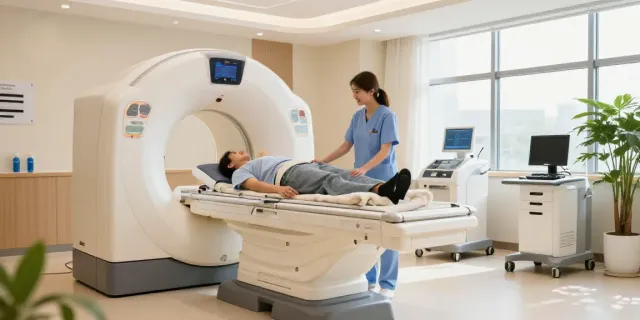
Understanding Advanced Heart Failure Care
Heart failure, a complex clinical syndrome characterized by the heart's inability to pump sufficient blood to meet the body's needs, poses significant health challenges for millions around the globe. It can occur owing to various underlying conditions, such as coronary artery disease, hypertension, and cardiomyopathies. The increasing prevalence of this condition has put a spotlight on the need for advanced heart failure care, which encompasses an array of innovative diagnostic and therapeutic approaches tailored to enhance patient outcomes.
What is Advanced Heart Failure?
Advanced heart failure refers to the later stages of heart failure where patients experience severe symptoms that are difficult to manage despite optimized medical therapy. This stage typically involves a greater level of decline in cardiac function and requires a more comprehensive approach to treatment that may include advanced treatments such as mechanical support devices or heart transplantation.
Classification of heart failure can be categorized as:
- Heart Failure with Reduced Ejection Fraction (HFrEF): In this form, the heart muscle’s ability to contract is decreased, inhibiting it from pumping blood effectively.
- Heart Failure with Preserved Ejection Fraction (HFpEF): Here, the heart can contract well but has difficulty relaxing, leading to inadequate filling of the heart with blood.
Signs and Symptoms of Heart Failure
Recognizing the signs and symptoms of heart failure is crucial for early diagnosis and effective management. Common symptoms include:
- Shortness of breath during activities or at rest
- Fatigue and weakness
- Swelling in the legs, ankles, or abdomen
- Rapid or irregular heartbeat
- Persistent cough or wheezing
- Increased urination at night
Importance of Early Diagnosis and Treatment
Early diagnosis and prompt treatment of heart failure can significantly improve the prognosis and quality of life for patients. Regular check-ups with healthcare providers, particularly for individuals with risk factors such as hypertension and diabetes, can help catch heart failure in its earlier stages. Through the use of advanced diagnostic tools such as echocardiograms, stress tests, and biomarker assessments, healthcare teams can develop personalized treatment plans to manage symptoms effectively and slow disease progression.
Innovative Treatment Options for Advanced Heart Failure
As heart failure progresses, treatment strategies may evolve to incorporate more advanced interventions. Therapeutic options encompassing medical management, surgical interventions, and lifestyle modifications are essential components of comprehensive care.
Medications and Lifestyle Changes
Pharmacotherapy remains a cornerstone in managing heart failure. Common medications include:
- ACE inhibitors: Help relax blood vessels, lowering blood pressure and decreasing the heart's workload.
- Beta-blockers: Reduce heart rate and improve heart function.
- Diuretics: Aid in reducing fluid overload and swelling.
In conjunction with medications, lifestyle changes play a fundamental role in managing heart failure symptoms. Patients are typically advised to maintain a heart-healthy diet, engage in regular physical activity as tolerated, and avoid excessive alcohol and tobacco use.
Advanced Surgical Techniques
For patients with advanced heart failure who do not respond adequately to medications and lifestyle changes, surgical options may be considered. Advanced surgical techniques include:
- Implantable Cardioverter Defibrillators (ICDs): These devices monitor heart rhythms and deliver shocks if arrhythmias are detected.
- Cardiac Resynchronization Therapy (CRT): A specialized pacemaker that coordinates the contractions of the heart chambers to improve efficiency.
- Ventricular Assist Devices (VADs): Mechanical pumps that are used to help the heart pump blood more effectively.
Heart Transplant Considerations
In cases of end-stage heart failure, where all other treatment options have been exhausted, heart transplantation may be the only viable treatment. A donor heart replaces the recipient's damaged heart, which can lead to a significant improvement in quality of life and longevity. However, this procedure requires careful consideration of eligibility, potential complications, and long-term follow-up to manage immunosuppression and monitor for organ rejection.
Remote Monitoring and Technology in Heart Care
The integration of technology into heart failure management has revolutionized patient care, allowing for proactive monitoring and timely interventions that can prevent hospitalizations and improve outcomes.
Benefits of Remote Heart Monitoring
Remote heart monitoring employs devices that track patients' heart rhythms and vital signs in real-time. The benefits include:
- Continuous monitoring without the need for frequent hospital visits.
- Early detection of adverse events or worsening symptoms.
- Enhanced patient engagement and adherence to treatment plans.
How Technology Enhances Patient Outcomes
Advancements in telemedicine and remote monitoring technologies allow healthcare providers to manage patients from a distance effectively. These technologies can lead to improved adherence to medications and lifestyle modifications, resulting in better management of symptoms and a decrease in emergency interventions.
Case Studies of Successful Remote Care
Numerous success stories illustrate the effectiveness of remote monitoring. For instance, patients with implanted devices for arrhythmias have reported increased confidence in managing their health, knowing that healthcare providers are monitoring their condition continuously and can respond quickly if issues arise.
Patient-Centric Approach and Multidisciplinary Care
An effective heart failure management program is patient-centered and involves a multidisciplinary care team that addresses the diverse needs of each patient.
Building a Care Team for Heart Failure Patients
A typical heart failure care team consists of cardiologists, specialized nurses, dietitians, pharmacists, and social workers who collaborate to ensure comprehensive care. Each member of the team plays a vital role in addressing the medical, nutritional, psychological, and social needs of patients.
Personalized Treatment Plans and Patient Involvement
Every patient’s treatment plan is tailored based on their specific condition, preferences, and lifestyle. Engaging patients in their treatment plans encourages better adherence and empowers them to take an active role in their healthcare journey.
Patient Stories of Hope and Resilience
Heart failure patients often share inspiring stories of recovery. For example, many report how lifestyle changes and the use of innovative therapies have enabled them to return to activities they love, significantly enhancing their quality of life.
The Future of Advanced Heart Failure Care
The landscape of advanced heart failure care continues to evolve rapidly, driven by research, innovation, and patient-centered strategies.
Emerging Trends for 2026 and Beyond
As we look to the future, trends such as gene therapies, advanced biologics, and improved implantable devices are expected to revolutionize treatment pathways. Additionally, the incorporation of artificial intelligence into diagnostic processes will enhance decision-making and treatment personalization.
Considerations for Patients and Caregivers
Patients and caregivers must stay informed about new treatment options and actively participate in discussions with their healthcare providers. Awareness of evolving therapies and clinical trials may offer additional avenues for care.
Resources and Support Networks for Patients
Support networks are crucial for patients navigating the challenges of heart failure. Organizations and online communities provide resources and offer encouragement that fosters resilience and hope.
What are the signs of advanced heart failure?
Signs of advanced heart failure can include severe shortness of breath even at rest, persistent fatigue, swelling in various parts of the body, and a rapid or irregular heartbeat.
Can lifestyle changes improve heart failure symptoms?
Yes, embracing a heart-healthy lifestyle can significantly alleviate symptoms and improve overall heart function. Key changes include dietary modifications, regular physical activity, and weight management.
What treatment options are available for advanced heart failure?
Treatment options range from medication and lifestyle modifications to advanced surgical interventions and heart transplantation for end-stage patients.
How does remote monitoring work for heart failure patients?
Remote monitoring utilizes implanted devices that track heart activity and vital signs, sending data to healthcare providers, who can respond promptly to any concerning changes.
What should I expect during heart failure treatment?
During heart failure treatment, patients can expect a comprehensive approach involving regular check-ups, a personalized treatment plan, and education on managing their condition effectively.