Understanding Age Estimation Technology
In a world increasingly driven by technology, understanding how we perceive age has taken a fascinating turn. With the advancements in artificial intelligence (AI), determining how old you look has become not only a matter of curiosity but also a tool for self-assessment and engagement. Whether you're considering a new skincare routine or just want to see how your appearance reflects your true age, various applications and tools can provide insights into this question. For instance, exploring options like how old do i look offers comprehensive insights into age estimation through facial recognition.
What is Facial Age Estimation?
Facial age estimation is a technology that analyzes facial features to predict a person's age based on their appearance. This estimation process goes beyond simply counting the years; it considers various factors, including skin texture, facial contours, and even underlying structural changes that occur as we age. By harnessing complex algorithms, these systems can provide a surprisingly accurate estimate of how old someone looks, often challenging societal perceptions of age.
How Do AI Algorithms Work in Age Detection?
At the core of facial age estimation technology are AI algorithms that utilize machine learning. These algorithms are trained on extensive datasets containing images of individuals of various ages, allowing them to learn the subtle differences in facial features that correspond to age changes. Some popular methods include:
- Deep Learning: Neural networks analyze pixel data from images to identify patterns associated with aging.
- Facial Landmarking: Key points on the face, such as wrinkle depth and the sagging of skin, are measured to estimate age.
- Comparative Analysis: AI compares the input image with a vast database of known ages to provide a prediction.
The Science Behind Perceived Age vs. Biological Age
While facial age estimation primarily focuses on perceived age — how old a person appears — it's crucial to distinguish this from biological age, which refers to the physiological condition of the body. Factors such as genetics, lifestyle choices, and environmental influences play a significant role in determining biological age. Therefore, one might look much younger or older than their biological age based on these factors, leading to insights that can be both enlightening and challenging.
How to Use Age Estimation Apps
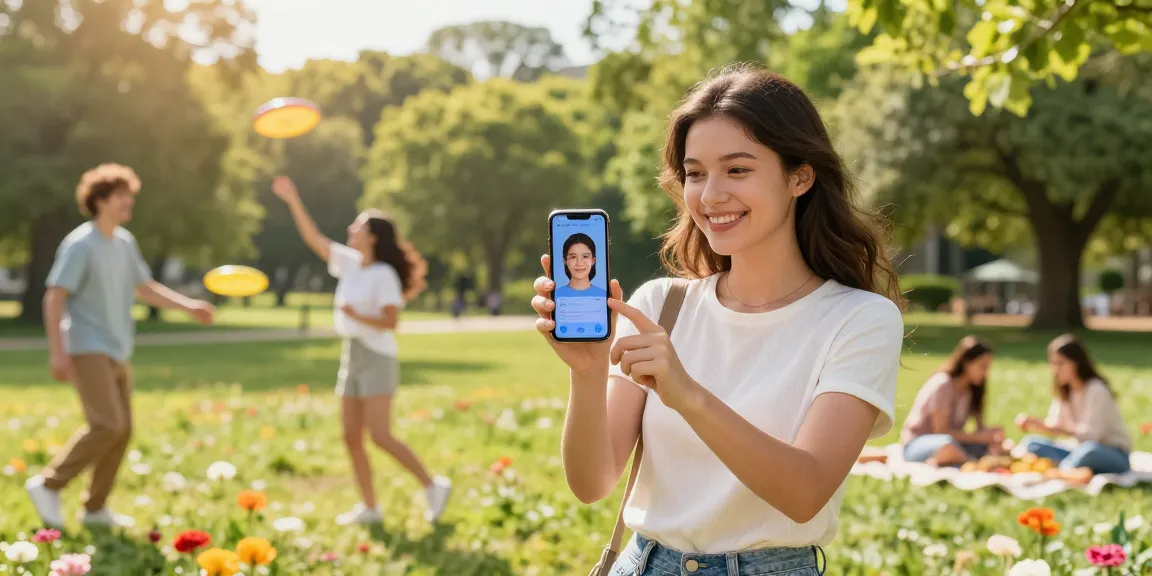
With a plethora of age estimation apps available today, knowing how to use them effectively can enhance your experience. Here’s a step-by-step guide on how to engage with these platforms:
Step-by-Step Guide to Uploading Your Photo
- Select a Reputable App: Choose an app known for its accuracy and positive reviews.
- Upload Your Image: Take or upload a clear, well-lit photo of your face. Apps may have specific requirements regarding angle and background.
- Allow the Analysis: Wait as the app processes your image. This typically takes only a few seconds.
- Review Your Results: Once the analysis is complete, you’ll receive an age estimate along with insights into the features affecting your perceived age.
Tips for Getting Accurate Results
To ensure the most accurate age estimation from these apps, consider the following tips:
- Lighting: Use natural light to reduce shadows that could obscure features.
- Expression: Maintain a neutral facial expression for the best results.
- Background: Choose a plain background to minimize distractions in the photo.
Common Misconceptions About Age Estimation
Many beliefs surrounding age estimation technology are rooted in misunderstandings. Here are some common misconceptions:
- It’s Always Accurate: While advanced, these tools can only provide estimates that may not account for individual variations.
- Only Skin Matters: Features like eyes, hair, and overall facial structure also significantly influence perceived age.
- It’s Just for Fun: Businesses increasingly use this technology for marketing strategies, product development, and customer engagement.
Privacy Concerns and Data Security
As with any technology that involves personal images, privacy and data security are paramount. Understanding how your data is used and protected is essential.
Are Your Photos Safe with Age Estimation Apps?
Reputable age estimation apps prioritize user privacy and typically have stringent measures in place to protect your images. Always check if the app deletes uploaded photos after the analysis to ensure your data is not stored indefinitely.
Understanding Data Privacy Policies
Before using an age estimation tool, familiarize yourself with its data privacy policy. This document outlines how your data will be collected, used, and protected. Look for apps that are transparent about their practices and comply with data protection regulations.
How to Protect Your Personal Information
To safeguard your personal information while using these apps, consider the following strategies:
- Limit Data Sharing: Only provide necessary information and avoid linking to social media accounts.
- Use Trusted Applications: Install apps from reputable developers with positive reviews regarding privacy.
- Regularly Update Apps: Keeping apps updated ensures you benefit from the latest security features.
Real-World Applications of Age Estimation
Age estimation technology is not only a source of curiosity but also has practical applications in various industries.
How Businesses Use Age Estimation Technology
Many companies leverage age estimation tools for market research and targeted advertising. By understanding the demographic characteristics of their audience, businesses can tailor their products and marketing strategies effectively. For instance, fashion retailers might use age estimation insights to market products that appeal to specific age groups.
Fun Uses: Social Media Filters and Games
Social media platforms frequently incorporate age estimation features in their filters, allowing users to playfully interact with their perceived age. These fun applications promote engagement and often go viral, showcasing the entertaining side of technology.
The Future of Age Estimation in Health and Wellness
As technology advances, the potential for age estimation in the health sector grows. This technology could assist in personalized skincare recommendations or even health assessments, allowing individuals to make informed decisions based on their perceived age and biological markers.
Trends in Age Perception and Beauty Standards
The perception of age and beauty is continually evolving, influenced largely by cultural shifts and social media trends. Understanding these trends can help individuals navigate societal expectations regarding aging.
How Social Media Influences Age Perception
Social media platforms are powerful tools in shaping how we view aging. Filters that enhance youthfulness and beauty standards often create unrealistic perceptions of age, leading individuals to become more conscious of their appearance.
Comparing Global Attitudes Towards Aging
Attitudes towards aging vary significantly across cultures. In some societies, aging is viewed as a sign of wisdom and respect, while in others, there is a strong focus on youthfulness. Recognizing these differences can foster a more inclusive dialogue around aging and beauty.
Future Predictions for Age Representation in Media
As discussions around age and beauty continue to evolve, media representation can expect to reflect greater diversity in age. Campaigns promoting age inclusivity are gaining momentum, suggesting a future where beauty is defined by more than just youth.
What Features Affect Perceived Age in Photos?
Several features contribute to how old someone appears in photos, including:
- Wrinkles and Fine Lines: The presence and depth of wrinkles can significantly affect age perception.
- Skin Texture: Smooth skin is often associated with youth, while rougher textures may indicate aging.
- Facial Volume: Loss of volume in areas such as cheeks and temples can suggest an older appearance.
Can Age Estimation Predictions Be Off? What to Consider?
While age estimation apps provide valuable insights, it’s important to remember they are not infallible. Factors like lighting, photo quality, and even makeup can affect the accuracy of predictions.
Are There Alternative Methods to Estimate Age?
Besides AI-powered apps, alternative methods to estimate age include:
- Dermatological Assessments: Professional skin evaluations can provide insights into skin aging.
- Biological Tests: Tests analyzing DNA methylation can reveal biological age.
- Self-Assessment Surveys: Questionnaires considering lifestyle and health factors can help gauge perceived and biological age.
How Can I Improve My Skin Appearance for Better Results?
If you aim to appear younger in age estimation tools, consider incorporating a solid skincare routine that includes:
- Moisturizers: These help keep skin hydrated and plump.
- Sunscreen: Daily protection from UV rays can prevent premature aging.
- Healthy Diet: Foods rich in antioxidants promote skin health.
What Should I Do with the Results from Age Estimation?
Taking a practical approach to your age estimation results can be advantageous. Use insights to inform your skincare routine, adjust lifestyle choices, or understand societal perceptions of age better. Whether you embrace your natural age or seek ways to appear younger, these tools can provide an empowering perspective on aging.