Understanding Smart Home Technology
In today's fast-paced world, smart home technology has emerged as a transformative force, shaping the way we interact with our living spaces. This innovation not only promises enhanced comfort and convenience but also emphasizes security and energy efficiency. With advancements in IoT (Internet of Things) and automation, homeowners now have an array of options to tailor their environments to suit individual needs. For instance, companies like جهان اسمارت are leading the charge in providing cutting-edge smart home solutions that integrate seamlessly into everyday living.
What Is Smart Home Technology?
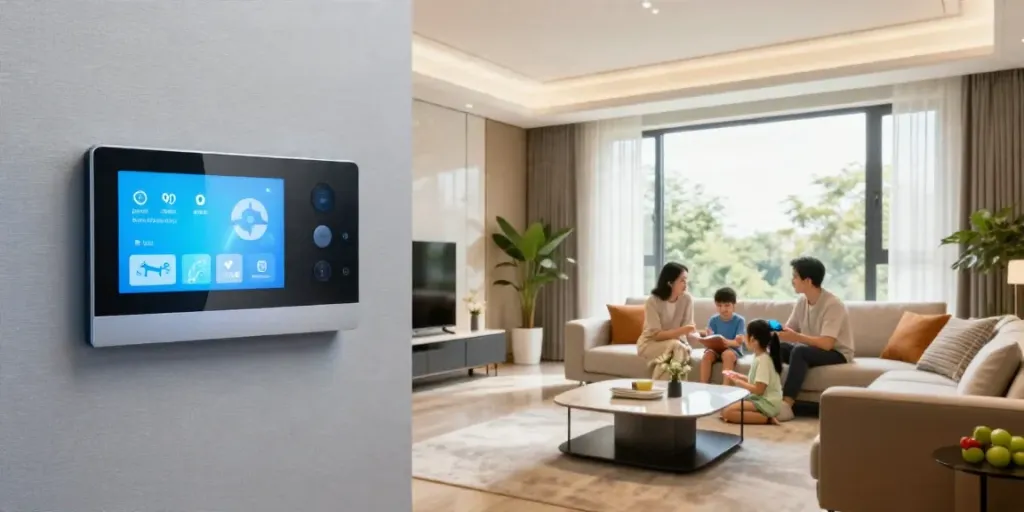
Smart home technology refers to the integration of technology and services through the Internet of Things (IoT) to enable remote management and monitoring of systems and devices in a home. This includes everything from smart lighting, thermostats, and security systems, to full-fledged home automation systems that allow for centralized control of numerous devices. By utilizing smart home technology, users can enhance their living experience through increased ease of use and efficiency.
Benefits of Smart Homes for Modern Living
- Convenience: Control various devices from your smartphone or voice assistant.
- Enhanced Security: Smart locks, cameras, and alarms improve home security.
- Energy Efficiency: Smart thermostats and lighting systems help reduce energy consumption.
- Increased Home Value: Smart homes are attractive to tech-savvy buyers.
Key Components of a Smart Home System
A functional smart home typically includes several key components:
- Smart Lighting: Automate lighting schedules and control brightness remotely.
- Smart Thermostat: Adjust heating and cooling based on occupancy and preferences.
- Security Systems: Monitor your home with cameras and motion detectors.
- Smart Appliances: Refrigerators and washing machines that can be controlled from your phone.
The Role of جهان اسمارت in Home Automation
As a prominent player in the smart home industry, جهان اسمارت has made a significant impact on how residential and commercial spaces are automated. Their wide range of products and services allows customers to customize their smart home experience to meet specific requirements. Whether it's a full home automation system or individual smart devices, جهان اسمارت focuses on delivering tailored solutions that maximize both functionality and user satisfaction.
Overview of جهان اسمارت's Offerings
جهان اسمارت offers a comprehensive suite of products designed for both residential and commercial applications, including:
- Smart Lighting Solutions: Control your lighting with advanced smart bulbs and switches.
- Home Security Systems: Equip your home with state-of-the-art surveillance and monitoring systems.
- Heating and Cooling Control: Optimize your energy usage with smart thermostats.
- Smart Home Integration: Seamless integration of all devices for easy management.
How to Choose the Right Solutions for Your Home
When selecting smart home solutions, it's essential to consider several factors:
- Compatibility: Ensure that devices can work together across different platforms.
- Usability: Choose systems that offer user-friendly interfaces.
- Budget: Assess the financial investment required for both equipment and installation.
- Security Features: Opt for products that prioritize data security and user privacy.
Success Stories: Projects by جهان اسمارت
جهان اسمارت has successfully executed numerous projects showcasing their expertise in smart home automation. These initiatives range from luxury residential homes equipped with cutting-edge technology to commercial buildings optimized for energy efficiency. By sharing case studies, potential customers can gain insights into the transformative power of smart home technology and the potential benefits it can bring to their living or working environments.
Challenges in Implementing Smart Home Solutions
While smart home technology offers numerous benefits, there are potential challenges that homeowners may face. Understanding these challenges can help you navigate the smart home landscape more effectively.
Common Misconceptions About Smart Homes
Despite the growing popularity of smart homes, several misconceptions can deter homeowners from making the leap. Some people believe that smart homes are overly complicated or too expensive to maintain, while others think that they require constant updates and troubleshooting. In reality, many smart home systems are designed to be intuitive and user-friendly, making them accessible to a broad audience.
Technical Challenges and How to Overcome Them
Technical hurdles are common when setting up smart home systems. Issues such as internet connectivity, device compatibility, and installation difficulties can arise. To mitigate these challenges, homeowners should conduct thorough research, seek professional installation services when necessary, and opt for devices known for their reliability and ease of use.
Understanding Compatibility with Existing Systems
One of the most significant considerations when implementing smart home technology is ensuring compatibility with existing devices and systems. Homeowners should look for products that support established standards and protocols, such as Zigbee or Z-Wave, to leverage their current infrastructure and reduce the need for extensive renovations.
Best Practices for Maximizing Smart Home Efficiency
To fully capitalize on the advantages of smart home technology, it’s essential to follow best practices that enhance performance and efficiency.
Integrating Smart Devices for Optimal Performance
Integrating various smart devices into a cohesive system can improve overall efficiency. Proper integration allows users to create routines or automation scenarios that facilitate everyday tasks, such as adjusting the thermostat when leaving the house or turning off lights at bedtime.
Energy Management and Cost Savings
Effective energy management is pivotal in minimizing costs associated with heating, cooling, and electricity consumption. Smart meters and energy monitoring devices can provide real-time insights into usage patterns, enabling homeowners to make informed decisions about their energy consumption.
Regular Maintenance of Smart Home Systems
Maintaining smart home devices is crucial for ensuring their longevity and performance. Regular updates, software patches, and proactive troubleshooting can help prevent issues and enhance user experience. Establishing a routine for checking device functionality can contribute significantly to a seamless smart home experience.
Future Trends in Smart Home Technology for 2026
As we look towards the future, several trends are poised to shape the smart home landscape in 2026 and beyond. Staying informed about these innovations can help homeowners make strategic decisions about their investment in smart technology.
Innovations to Watch in Smart Home Solutions
Emerging technologies such as artificial intelligence (AI) and machine learning are increasingly being integrated into smart home solutions, allowing for smarter automation and enhanced user personalization. Advances in voice recognition and natural language processing will likely create more intuitive control systems in the near future.
Predictions for Consumer Preferences and Technologies
As consumers become more environmentally conscious, demand for energy-efficient and sustainable home solutions will continue to rise. Smart appliances that reduce resource consumption and integrate with renewable energy sources are expected to gain traction.
How to Stay Ahead of the Curve with Smart Homes
To stay ahead in the evolving smart home industry, homeowners should prioritize continuous learning about new technologies and trends. Engaging with community forums, attending trade shows, and following industry news can provide valuable insights that inform and enhance smart home investments.
What are the main features of smart home technology?
Main features of smart home technology include remote control of devices, automation of routine tasks, and enhanced security measures. Devices can often be controlled through smartphone applications or voice commands for convenience. Integration capabilities among different devices are also crucial for maximizing functionality.
How does جهان اسمارت differentiate itself from competitors?
جهان اسمارت distinguishes itself by offering comprehensive solutions tailored for both residential and commercial settings, emphasizing customer service and support. Their commitment to high-quality products, extensive experience in the industry, and focus on innovation set them apart from competitors.
What are the common challenges faced when implementing smart home tech?
Common challenges include compatibility issues with existing systems, the complexity of installation, and the perception of high costs. Navigating these challenges requires informed decision-making and often professional assistance.
How can smart homes improve energy efficiency?
Smart homes can significantly enhance energy efficiency by allowing for precise control of heating, cooling, and lighting systems. Smart thermostats, for example, can learn user habits and adjust settings accordingly, reducing unnecessary energy consumption.
What future trends should homeowners be aware of in smart technology?
Homeowners should be aware of trends such as the rise of AI-driven automation, increased focus on sustainability, and the integration of health-monitoring devices as part of the smart home ecosystem. Staying updated will aid in making informed choices about future investments in technology.