Understanding SHASHEL® Technology for Pest Control
In an era where eco-friendly solutions are paramount, SHASHEL® emerges as a cutting-edge technology for pest control that offers rapid and efficient woodworm elimination. The innovative application of microwave technology not only eradicates pests but does so without harmful chemicals, making it a safe choice for both residential and commercial environments. As wood-boring insects continue to pose a significant threat to wooden structures, understanding SHASHEL® technology is crucial for anyone looking to protect their investments and ensure the longevity of their wood materials.
What is SHASHEL® and How It Works?
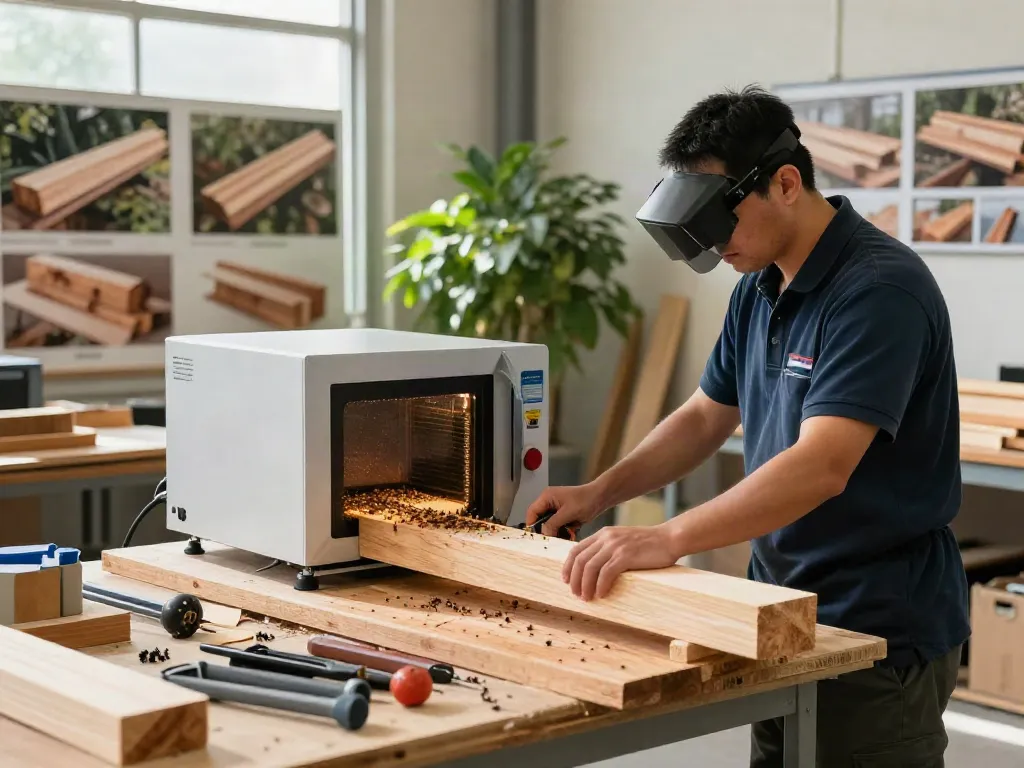
SHASHEL® is a pioneering brand that utilizes microwave technology specifically developed to target wood-boring insects such as woodworms, beetles, and their larvae. The technology works by emitting microwaves, which penetrate the wood and generate heat. This intense heat disrupts the metabolic processes of the insects, leading to their swift demise. Unlike traditional pest control methods, which often rely on toxic chemicals, SHASHEL® offers a chemical-free alternative that ensures safety for occupants and the environment.
The Science Behind Microwave Wood Treatment
The scientific underpinnings of SHASHEL® technology involve the dielectric heating principle. Microwaves excite water molecules within the wood, causing them to vibrate and produce heat. As the temperature rises, it reaches a point that is lethal to wood-boring insects, effectively exterminating them within minutes. This process ensures deep penetration, allowing for treatment of infestations that may not be visible on the surface, making it a formidable method against even hidden pests.
Benefits of Using SHASHEL® for Woodworm Elimination
- Speed: SHASHEL® treatment can eliminate pests in a matter of minutes, significantly faster than traditional methods.
- Eco-friendly: The absence of harmful chemicals makes it a safe option for families, pets, and the environment.
- Effective Deep Treatment: The microwaves penetrate deep into the wood, addressing infestations that are otherwise hard to reach.
- Versatility: It can be used across various materials, including furniture and structural wood.
- Cost-effective: Reducing the likelihood of future infestations can save money in repairs and replacements.
Identifying Wood-Boring Insects
To effectively combat woodworm infestations, it's imperative to first identify the specific types of wood-boring insects that pose a threat. Understanding their characteristics and life cycles can aid in timely intervention and treatment strategies.
Common Types of Woodworms and Their Impact
Woodworms primarily refer to the larvae of various beetles that feed on wood. Common types include:
- Common Furniture Beetle: This pest is prevalent in homes and can cause significant damage to wooden furniture.
- Powderpost Beetle: Known for their small size and the fine dust they produce, powderpost beetles can compromise the structural integrity of wood.
- House Longhorn Beetle: These insects are larger and can create extensive damage in untreated wood.
Signs of Infestation in Wooden Structures
Identifying an infestation early is critical. Look for the following signs:
- Exit Holes: Small holes in the wood surfaces indicate that adult beetles are emerging.
- Frass: This fine powdery residue is a sign of woodworm activity within the wood.
- Bubbling Paint or Finishes: Wood that is being consumed may cause finishes to bubble or crack.
Understanding the Lifecycle of Wood-Boring Insects
The lifecycle of wood-boring insects includes several stages: egg, larva, pupa, and adult. Understanding this lifecycle helps in determining the best timing for treatment. The larval stage is the most destructive, as they feed on wood, causing the most damage. Adult beetles emerge to lay eggs, thus continuing the cycle, which can escalate infestations if not managed properly.
Step-by-Step Guide to Using SHASHEL® Equipment
Using SHASHEL® equipment effectively involves understanding the setup, operational guidelines, and post-treatment care. Proper implementation ensures maximum efficiency and safety.
Setup and Safety Precautions for Effective Treatment
Before starting, ensure all safety precautions are adhered to. Wear protective gear, and ensure the area is adequately ventilated. Prepare the SHASHEL® device according to the manufacturer’s instructions, ensuring all components are correctly assembled for optimal performance.
Operational Guidelines for SHASHEL® Devices
1. Place the affected wood inside the treatment chamber.2. Set the appropriate treatment time based on the wood type and infestation severity.3. Initiate the microwave treatment and monitor temperature levels to ensure adequate penetration.4. Allow the wood to cool down before removing it from the chamber to avoid burns.
Post-Treatment Maintenance: Ensuring Longevity of Wood
After treatment, inspect the wood for any remaining signs of infestation. Regularly check for potential re-infestations, especially in humid environments. Seal and treat the wood with protective coatings to extend its life and prevent future pest issues.
Case Studies: SHASHEL® in Action
Real-world applications of SHASHEL® technology illustrate its effectiveness across various settings. From residential homes to commercial properties, numerous success stories highlight the versatility and reliability of this pest control solution.
Real-world Success Stories: Residential Treatment
In a recent case study, a family discovered extensive woodworm damage in their vintage oak furniture. After using SHASHEL® technology, the family reported a complete eradication of the pests, allowing them to preserve their cherished heirlooms.
Commercial Applications of SHASHEL® Technology
Many commercial ventures have turned to SHASHEL® to protect wooden infrastructure in warehouses and furniture stores. For instance, a furniture manufacturer faced repeated infestations and switched to SHASHEL® technology, which dramatically reduced their pest control costs and improved product longevity.
Before and After: Results from SHASHEL® Users
Many users have shared before-and-after images highlighting the stark difference after employing SHASHEL®. The effectiveness of this technology in preserving both aesthetic and structural qualities of wood is undeniable.
The Future of Wood Treatment Technologies
As the demand for environmentally friendly pesticides grows, the future of wood treatment technologies appears bright. Innovations and trends are shaping the way pest control is approached, emphasizing sustainability without compromising effectiveness.
Emerging Trends in Eco-Friendly Pest Control
There is a notable shift towards more sustainable pest control techniques, with emphasis on chemical-free treatments. SHASHEL® leads the charge in this movement, proving that effective pest control does not have to come at the expense of environmental health.
Innovations on the Horizon for SHASHEL® Technology
Future advancements may include enhanced features in SHASHEL® equipment, such as smart technology for automated monitoring and control. This would further optimize treatment processes and improve user experience.
Preparing for 2026: Future-Proofing Your Wood Protection
To remain effective against evolving pest challenges, it is crucial to stay informed about new technologies and treatments. Homeowners and businesses should consider integrating SHASHEL® technology into their pest management strategies to ensure ongoing protection.
What makes SHASHEL® different from traditional pest control?
SHASHEL® stands out due to its chemical-free approach, speed of treatment, and ability to penetrate deep into wood. Traditional methods often involve lengthy processes that may not adequately eliminate pests hiding within.
How long does the SHASHEL® treatment take?
The SHASHEL® treatment can be completed in as little as a few minutes, depending on the size and type of wood being treated.
Are there any safety concerns with using SHASHEL® devices?
When used according to the manufacturer's guidelines, SHASHEL® devices are safe for household use. However, standard safety precautions, like wearing protective goggles, should be followed.
Can SHASHEL® be used in both residential and commercial settings?
Yes, SHASHEL® technology is versatile and can be effectively used in both residential homes and commercial environments, providing an efficient solution for wood protection.
What is the cost-effectiveness of using SHASHEL® technology?
The initial investment in SHASHEL® technology can lead to substantial long-term savings by preventing costly repairs and replacements due to woodworm damage.