Introduction to Aerospace CNC Machining
In the fast-evolving realm of aerospace manufacturing, precision and efficiency are paramount. Since 2003, Honscn has been at the forefront, providing exceptional CNC machining services tailored to the unique demands of the aerospace industry. Whether you're looking for rapid prototyping or mass production, understanding aerospace CNC machining is crucial for ensuring high-quality components that meet stringent safety and performance standards. This article will delve into the intricate world of aerospace CNC machining, focusing on the importance of precision, material selection, and the processes that make these precision parts possible. When exploring options, leading aerospace cnc parts manufacturers offer invaluable insights into best practices and industry trends.
Understanding the Basics of CNC Machining
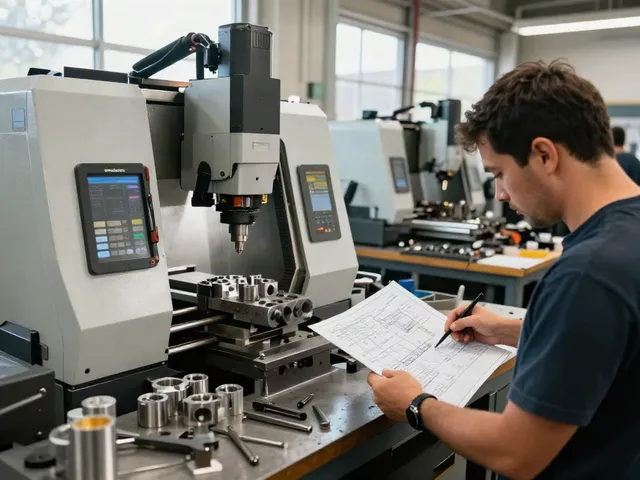
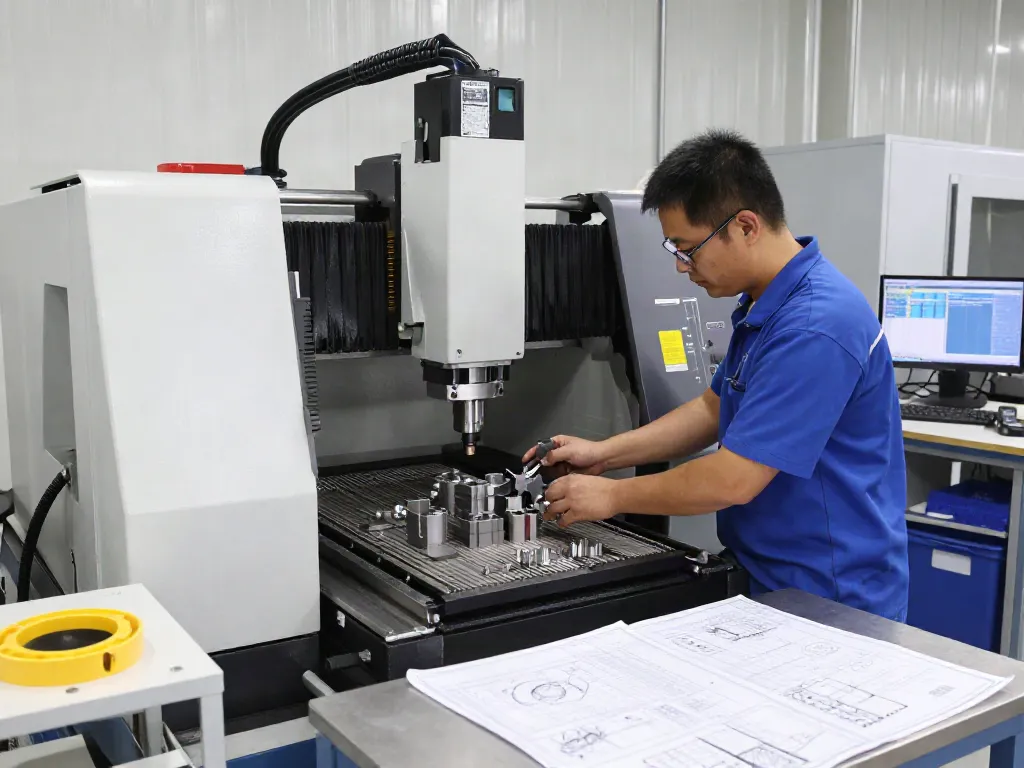
CNC, or Computer Numerical Control, machining represents a significant advancement in manufacturing, enabling the production of highly precise components. In aerospace applications, CNC machining uses computer programs to control machine tools, allowing for the creation of complex geometries that are often impossible to achieve through traditional methods. This technology ensures that parts are crafted with incredible accuracy, significantly reducing the risk of errors and associated failures.
Importance of Precision in Aerospace Manufacturing
Precision is not merely a goal in aerospace manufacturing; it is a necessity. Parts used in aircraft and spacecraft must adhere to exact specifications to ensure safety and functionality. A slight deviation in measurement can lead to catastrophic failures, making the quality of CNC machined parts critical. High precision is achieved through sophisticated machining techniques that are regularly monitored and calibrated to maintain accuracy throughout the production process.
Overview of Leading Aerospace CNC Parts Manufacturers
As the demand for innovative aerospace solutions continues to grow, several manufacturers have emerged as leaders in the CNC machining sector. These companies utilize cutting-edge technology and adhere to stringent quality control measures, positioning themselves as trusted providers in the aerospace field. Notable examples include Ardel Engineering and Owens Industries, which are recognized for their commitment to quality and precision in aerospace components production.
Materials Used in Aerospace CNC Machining
Commonly Used Metal Materials
Metal materials play a crucial role in aerospace CNC machining, with certain alloys selected for their strength, weight, and resistance to temperatures and corrosion. Some of the most commonly used metal materials include:
- Aluminum Alloys: Lightweight and strong, aluminum is a popular choice for various aerospace components.
- Titanium Alloys: Known for their exceptional strength-to-weight ratio and corrosion resistance, titanium alloys are often used in structural applications.
- Stainless Steel: This material offers excellent strength and durability, making it suitable for parts exposed to extreme conditions.
- Copper Alloys: Providing excellent thermal and electrical conductivity, copper is often used in components related to electrical systems.
Popular Plastic Materials in Aerospace Production
While metals dominate the aerospace industry, advanced plastics are increasingly used due to their lightweight properties and resistance to wear. Commonly used plastics include:
- Polypropylene (PP): Offers good chemical resistance and is often used in interior components.
- Polycarbonate (PC): Known for its impact resistance and optical clarity, making it ideal for cockpit displays.
- Polyether ether ketone (PEEK): A high-performance plastic resistant to extreme temperatures and chemicals.
Material Selection Criteria for Aerospace Applications
Choosing the right materials for aerospace CNC machining involves several critical criteria, including:
- Weight Considerations: Lighter materials are preferred to improve fuel efficiency.
- Strength and Durability: Materials must withstand extreme conditions without failing.
- Corrosion and Temperature Resistance: Parts must maintain integrity in harsh environments.
Processes and Techniques
Rapid Prototyping for Aerospace Parts
Rapid prototyping is a crucial process in aerospace manufacturing, allowing for the quick creation of prototypes to validate designs before full-scale production. Techniques such as additive manufacturing and CNC machining are utilized to expedite the prototyping phase, enabling manufacturers to test and refine components rapidly. This agility not only reduces time to market but also lowers costs associated with design errors.
Mass Production Techniques and Best Practices
In mass production settings, efficiency and consistency are paramount. Techniques such as automated CNC machining and lean manufacturing principles are employed to streamline processes. Best practices include:
- Process Automation: Using automation to minimize human error and improve cycle times.
- Standardization: Implementing standard operating procedures to ensure consistent quality across batches.
- Continuous Improvement: Regularly reviewing processes to identify areas for enhancement.
Quality Control Measures in CNC Machining
Quality control is vital in aerospace manufacturing, where even the slightest defect can lead to significant repercussions. Manufacturers implement rigorous quality control measures, including:
- Inspection Protocols: Utilizing advanced measurement tools and techniques to inspect components throughout the manufacturing process.
- Certification Standards: Adhering to industry standards such as AS9100 to guarantee compliance and quality.
- Traceability: Maintaining records of materials and processes used for each part to facilitate accountability.
Challenges in Aerospace CNC Machining
Addressing Common Industry Misconceptions
The aerospace industry faces numerous misconceptions regarding CNC machining, particularly around its capabilities and limitations. One common myth is that CNC machining is only suitable for simple shapes. In reality, CNC technology can produce highly complex geometries, making it invaluable for modern aerospace applications.
Overcoming Technical and Operational Challenges
Technical challenges such as material limitations and machine capabilities can hinder production. Manufacturers often invest in advanced equipment and training to overcome these hurdles, ensuring they can meet the rigorous demands of the aerospace sector.
Future Trends and Innovations in CNC Machining
As technology progresses, the aerospace industry is set to undergo transformative changes. Key trends include:
- Integration of AI and Machine Learning: These technologies enhance predictive maintenance and optimize machining processes.
- Advanced Materials: The development of new composite materials promises improved performance.
- Increased Use of Automation: Further automation will drive efficiency and reduce labor costs in manufacturing.
Case Studies of Successful Aerospace CNC Manufacturers
Highlighting Key Manufacturers and Their Capabilities
Leading aerospace manufacturers exemplify excellence in CNC machining through innovative approaches and technologies. For instance, Miller CNC and NAITE Tech showcase how integrating state-of-the-art machinery and adhering to quality standards can yield outstanding results in aerospace part production.
Real-World Applications of Aerospace CNC Machined Parts
CNC machined parts are critical in various aerospace applications, from structural components to intricate engine parts. Successful implementations demonstrate the versatility of CNC machining, enabling the production of lightweight, durable components that enhance overall aircraft performance.
Lessons Learned from Industry Leaders
Industry leaders often share insights that can help emerging manufacturers improve their processes. Key takeaways include the importance of adopting a quality-centric approach, investing in employee training, and leveraging technology to stay ahead of competition.
What are the top aerospace CNC manufacturers?
Some of the top aerospace CNC manufacturers include companies like Boeing, Lockheed Martin, and Howmet Aerospace, recognized for their commitment to quality and innovation in the aerospace sector.
How do aerospace CNC parts ensure safety and reliability?
Aerospace CNC parts ensure safety and reliability through rigorous testing, adherence to industry standards, and meticulous quality control processes that validate the specifications and performance of each component.
What materials are most effective for aerospace CNC machining?
The most effective materials for aerospace CNC machining are those that provide a balance of strength, weight, and resistance to environmental factors, such as titanium and high-grade aluminum alloys.
How can companies choose the right CNC machining partner?
Choosing the right CNC machining partner involves evaluating their experience, quality control processes, capability for rapid prototyping, and ability to meet stringent aerospace standards.
What trends are shaping aerospace manufacturing in 2026?
In 2026, trends such as the use of sustainable materials, enhanced automation, and the integration of AI in manufacturing processes are expected to shape the future of aerospace CNC machining, driving innovation and efficiency across the industry.