Understanding Your Machine Shop Houston Needs
Operating a machine shop in Houston requires a strategic understanding of both the local market and the specific needs of industries served. For over 60 years, Lowrance Machine has cultivated the expertise to provide seamless service and quality products to businesses worldwide. When exploring options, machine shop houston capabilities, understanding customer requirements is crucial. This involves assessing industry-specific requirements, identifying target markets, and evaluating necessary equipment.
Assessing Industry Requirements
Each industry has unique manufacturing needs, from automotive to industrial machinery. Understanding these requirements is crucial for tailoring services and establishing effective solutions. In Houston, sectors such as aerospace, oil and gas, and construction drive demand for machining services. Conducting thorough market research can help pinpoint the exact needs of these industries, allowing a machine shop to align its offerings appropriately.
Identifying Target Markets
Defining your target markets involves understanding who will benefit from your services the most. In Houston, target markets could include local manufacturers, automotive services, and even international clients seeking quick turnaround times on custom parts. By identifying these sectors, machine shops can focus their marketing efforts and service offerings to meet specific demands effectively.
Evaluating Equipment Needs
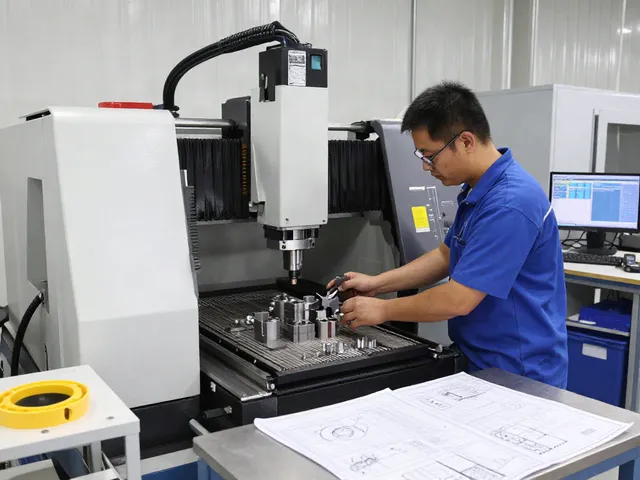
Investing in the right equipment is vital for efficiency and quality in machining. Evaluating your shop's capacity, analyzing the types of projects undertaken, and considering current technological advancements can guide equipment purchases. For instance, CNC machines are essential for precision work, while manual machines might be suitable for simpler tasks. Understanding these needs ensures that your machine shop is well-equipped to handle diverse projects.
Setting Up Your Machine Shop
Launching a successful machine shop in Houston involves several critical steps, from choosing the right location to complying with industry regulations. Each aspect plays a role in establishing a trustworthy brand in this competitive market.
Choosing the Right Location
Location can dramatically impact a machine shop's success. Choosing a site near industrial hubs or major transportation routes can streamline logistics and increase visibility. In Houston, areas with easy access to clients in the growing aerospace or oil and gas sectors can be particularly advantageous.
Designing an Efficient Layout
An efficient layout maximizes workflow and reduces production bottlenecks. Considerations should include the positioning of machinery for optimal flow, storage solutions for raw materials, and the organization of finished products. A well-planned layout not only enhances productivity but also ensures a safe working environment.
Compliance with Regulations
Machine shops must adhere to various industry regulations, including safety standards and environmental laws. Navigating these requirements is essential for operating legally and maintaining a positive reputation. Regular training and updates on compliance can help keep operations smooth and avoid costly fines.
Investing in Technology and Equipment
Modern machine shops must stay ahead of technology trends to remain competitive. This section explores the differences between CNC and manual machines, quality control systems, and the integration of operational software.
Exploring CNC vs. Manual Machines
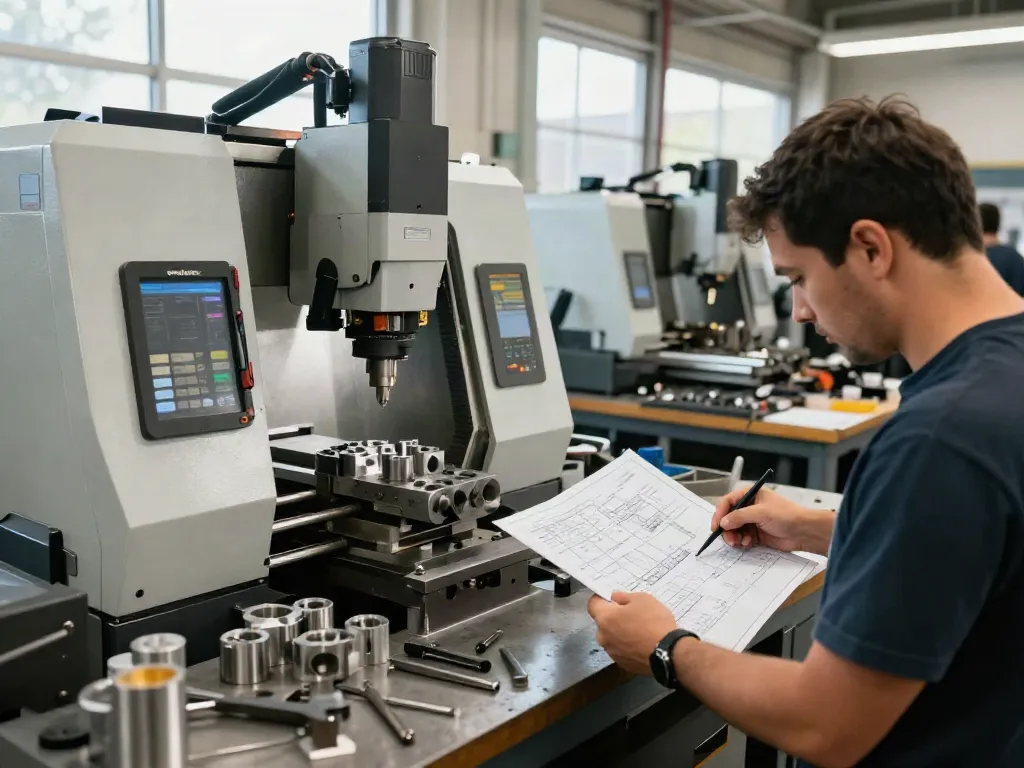
CNC (Computer Numerical Control) machines offer precision and efficiency, making them a top choice for complex projects. However, manual machines can still play a significant role in smaller operations or when specific customizations are needed. Balancing both types of machinery in your shop can provide a flexible approach to project needs.
Implementing Quality Control Systems
Quality control is critical to maintaining customer satisfaction and loyalty. Implementing robust quality assurance systems—including regular inspections and adherence to ISO 9001 standards—ensures that every product meets the highest specifications. This commitment to quality differentiates successful machine shops from their competitors.
Integrating Software for Operations Management
Advanced software solutions can streamline operations, enhancing everything from inventory management to job scheduling. By utilizing modern resource management tools, machine shops can improve efficiency, reduce errors, and increase customer satisfaction through better service delivery.
Establishing Reliable Supply Chains
A robust supply chain is essential for any machine shop aiming for long-term success. Building lasting relationships with suppliers and streamlining logistics can significantly impact operational capabilities.
Building Relationships with Material Suppliers
Strong connections with reliable material suppliers ensure your shop has access to quality resources at competitive prices. Establishing long-term partnerships can provide more favorable terms and insights into market trends, helping your shop adapt quickly.
Identifying Strategic Partnerships
Collaboration with other businesses can enhance service offerings. For instance, working with local fabricators or designers can broaden your shop’s capabilities, attracting new clients and expanding project scopes. Networking at industry events or through trade organizations is an effective way to identify potential partners.
Streamlining Logistics and Delivery Processes
Efficient logistics and delivery are increasingly important for meeting customer expectations. Investing in tracking and communication tools can help manage delivery schedules and reduce delays, leading to improved customer satisfaction and repeat business.
Ensuring Long-Term Success and Growth
To thrive in the competitive landscape of Houston machine shops, it’s crucial to adopt practices that foster growth and adaptability. This includes staying abreast of industry trends, measuring performance metrics, and investing in employee development.
Adapting to Industry Trends and Changes
The machining industry is constantly evolving, with new technologies, materials, and methods emerging regularly. Staying informed about these changes—such as shifts toward sustainable practices or automation—can help your machine shop remain competitive and responsive to market demands.
Measuring Performance Metrics
Regularly evaluating performance metrics is essential for identifying areas for improvement. Key performance indicators (KPIs) such as production efficiency, customer satisfaction ratings, and financial profitability should be monitored and analyzed. These insights can inform strategic decisions and operational adjustments.
Continuous Staff Training and Development
Investing in employee training fosters a skilled workforce that can adapt to new technologies and processes. Regular workshops, certifications, and training programs not only enhance employee capabilities but also contribute to overall shop performance and customer satisfaction.
What is the average cost of starting a machine shop?
The initial cost can vary significantly based on equipment, location, and facility size, but budgeting for machinery, tools, facility setup, and permits is necessary for a successful launch.
How can I improve efficiency in my machine shop?
Implementing lean manufacturing principles, optimizing workflow layouts, and investing in technology can all contribute to improved efficiency in your operations.
What types of services can a machine shop offer?
A machine shop can provide a range of services including CNC machining, manual machining, custom mold making, and assembly services, catering to various industries.
How do I find clients for my machine shop?
Networking, online marketing, and building relationships within target industries are effective strategies for attracting clients. Participating in trade shows and industry events can also lead to valuable connections.
What are the latest trends in machining technology?
Current trends include advancements in automation, AI integration in manufacturing processes, and the use of sustainable materials, all of which can enhance efficiency and reduce waste.