Introduction to Reclaimed Water Systems
Reclaimed water systems are revolutionizing the way we think about water usage and sustainability. As global water scarcity intensifies, the importance of efficiently recycling and reusing wastewater has never been more critical. These systems convert what was once considered waste into valuable resources, providing high-quality water for various applications. One of the leading innovations in this field is the introduction of containerized reclaimed water systems, which offer a robust and flexible solution for wastewater recycling. When exploring options, reclaimed water systems provide comprehensive insights into efficient and sustainable water management strategies.
What Are Reclaimed Water Systems?
Reclaimed water systems are designed to treat and repurpose wastewater, allowing it to be reused instead of being disposed of. These systems utilize advanced technologies to remove contaminants and pathogens, transforming effluent from municipal or industrial sources into reusable water suitable for irrigation, industrial processes, and even potable applications in some regions. The water reclamation process typically involves multiple stages of treatment, ensuring that the final product meets safety and quality standards.
Importance of Sustainable Water Practices
As the global population grows and climate change exacerbates water scarcity issues, sustainable water practices are becoming increasingly vital. Traditional water sources are under significant pressure, making it imperative to maximize the use of available water resources. By implementing reclaimed water systems, communities can alleviate this pressure, reduce dependence on freshwater sources, and enhance water security. Moreover, the reuse of water contributes to environmental conservation efforts, as it minimizes wastewater disposal into natural bodies, protecting aquatic ecosystems from pollution.
Overview of Containerized Systems
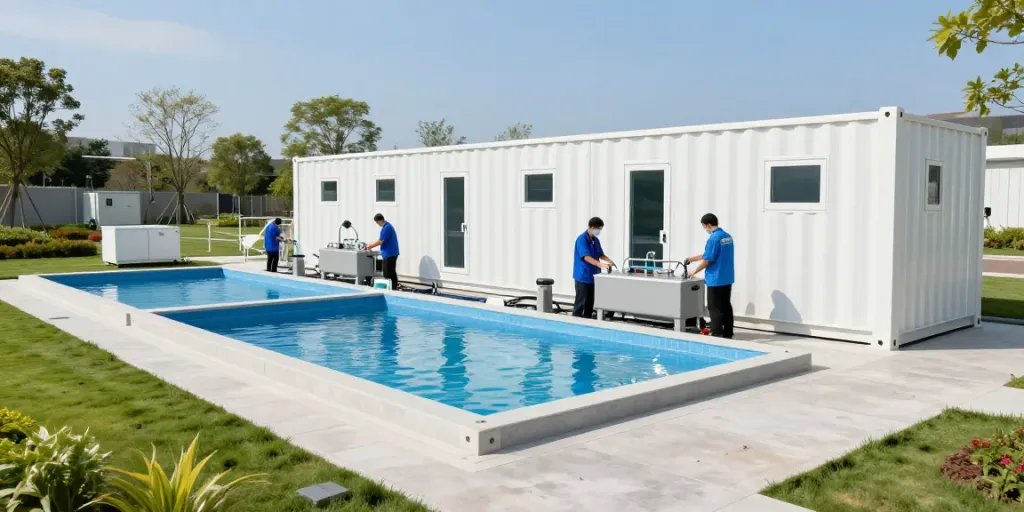
Containerized reclaimed water systems are pre-engineered, modular units that are designed for rapid deployment in various settings, including remote locations and urban environments. These systems integrate advanced treatment technologies, such as Membrane Bioreactors (MBR), Ultrafiltration (UF), and Reverse Osmosis (RO), providing a compact solution for wastewater recycling. Their portability and scalability allow for flexible applications across municipalities, industries, and decentralized facilities, catering to the diverse needs of modern water management.
Benefits of Implementing Reclaimed Water Systems
Resource Conservation and Sustainability
One of the most significant advantages of reclaimed water systems is their ability to conserve precious freshwater resources. By utilizing recycled water for non-potable applications such as irrigation and cooling in industrial processes, organizations can significantly reduce their water footprint. This conservation effort is essential in regions where water scarcity is prevalent, helping to ensure a sustainable supply for future generations.
Cost-Effectiveness in Water Management
Implementing reclaimed water systems can lead to substantial cost savings for businesses and municipalities. By reducing the demand for treated municipal water, organizations can lower their water utility bills. Additionally, reclaimed water can serve as a reliable alternative during droughts or water restrictions, mitigating risks and fostering operational continuity. The long-term financial benefits far outweigh the initial investment in infrastructure and technology.
Versatile Applications Across Industries
The applications of reclaimed water systems are vast and varied. Industries such as agriculture, landscaping, and manufacturing can significantly benefit from utilizing recycled water. For instance, reclaimed water is ideal for irrigation in agriculture, providing essential moisture to crops while minimizing the impact on freshwater supplies. Similarly, industrial facilities can use reclaimed water for cooling processes or sanitation, enhancing their sustainability profiles.
Technologies Behind Reclaimed Water Systems
Membrane Bioreactor (MBR) Technology
Membrane Bioreactor (MBR) technology combines biological treatment with membrane filtration, enabling the removal of suspended solids and microorganisms from wastewater. This technology is highly effective in producing high-quality effluent that can be safely reused. MBR systems are compact and can be easily integrated into containerized units, making them ideal for applications where space is limited.
Ultrafiltration (UF) Techniques
Ultrafiltration (UF) is a pressure-driven membrane process that separates contaminants from water. It effectively removes suspended solids, bacteria, and larger organic molecules, resulting in a clear and high-quality effluent. UF serves as a pre-treatment step in many reclaimed water systems, ensuring that the subsequent treatment processes, such as RO, operate more efficiently.
Reverse Osmosis (RO) Integration
Reverse Osmosis (RO) is a crucial step in many reclaimed water systems, particularly for applications requiring highly purified water. RO utilizes semi-permeable membranes to separate dissolved solids, ions, and contaminants from water. The integration of RO technology in containerized reclaimed water systems enhances the quality of the final product, making it suitable for a broader range of applications, including potable water in some contexts.
Common Challenges and Solutions
Misconceptions About Reclaimed Water
Despite the growing acceptance of reclaimed water systems, misconceptions about the safety and quality of recycled water persist. Many individuals remain skeptical about using reclaimed water for irrigation or other applications due to concerns about contaminants. To address this, public education campaigns that emphasize the rigorous treatment processes and safety standards associated with reclaimed water are essential.
Engineering Challenges in Implementation
Implementing reclaimed water systems can pose engineering challenges, especially in terms of infrastructure compatibility and local regulations. It is crucial to conduct thorough feasibility studies to ensure that the selected technology aligns with the specific requirements of the site. Engaging experienced professionals who understand the nuances of reclaimed water systems can help mitigate these challenges and streamline the implementation process.
Strategies for Public Acceptance
Public acceptance is vital for the successful implementation of reclaimed water systems. Transparency about the treatment processes and the benefits of using reclaimed water can foster trust among community members. Engaging local stakeholders in the planning and decision-making processes can create a sense of ownership and promote broader acceptance of water reuse initiatives.
Future Trends in Reclaimed Water Systems
Innovations in Technology and Efficiency
The future of reclaimed water systems is promising, with ongoing innovations aimed at improving efficiency and effectiveness. Advances in membrane technologies, automation, and AI-driven monitoring systems will enhance the ability of reclaimed water systems to produce high-quality effluent while minimizing operational costs. These advancements will ensure that reclaimed water systems remain a viable solution for water management in the coming years.
Predictions for Industry Growth by 2026
As the emphasis on sustainability and resource conservation continues to grow, the reclaimed water industry is expected to expand significantly by 2026. Increased investments in infrastructure, coupled with supportive policies and regulations, will drive the adoption of reclaimed water systems across various sectors. Emerging markets in developing countries are likely to play a crucial role in this growth as they seek sustainable solutions to their water challenges.
Implementing Smart Solutions for Water Management
The integration of smart technologies into reclaimed water systems will revolutionize water management. IoT devices, real-time data analytics, and predictive maintenance will enhance operational efficiency and reliability. These smart solutions will enable operators to optimize treatment processes and respond proactively to any issues, ensuring the consistent delivery of high-quality reclaimed water.
What does "reclaimed water system" mean?
A reclaimed water system refers to a comprehensive setup designed to treat and recycle wastewater, rendering it safe and suitable for various applications. These systems utilize advanced treatment methods to ensure that the recycled water meets specific quality standards.
What are the disadvantages of using recycled water?
While recycled water has numerous benefits, there are some disadvantages to consider, such as potential public perception challenges and initial infrastructure costs. Additionally, concerns about contaminants and the need for stringent safety standards must be addressed to foster acceptance.
Is reclaimed water cheaper than regular water?
In many cases, reclaimed water can be more cost-effective than traditional water sources, especially in areas facing water scarcity. By reducing reliance on municipal water supplies, organizations can lower their water costs significantly over time.
How does a water reclaim system work?
A water reclaim system typically involves multiple treatment processes such as pre-treatment, biological treatment, and advanced filtration methods to remove contaminants from wastewater. The treated water is then reused for irrigation, industrial processes, or other applications, depending on its quality.